

Recovery Apps vs. In-Person Meetings: Can Technology Replace Community?
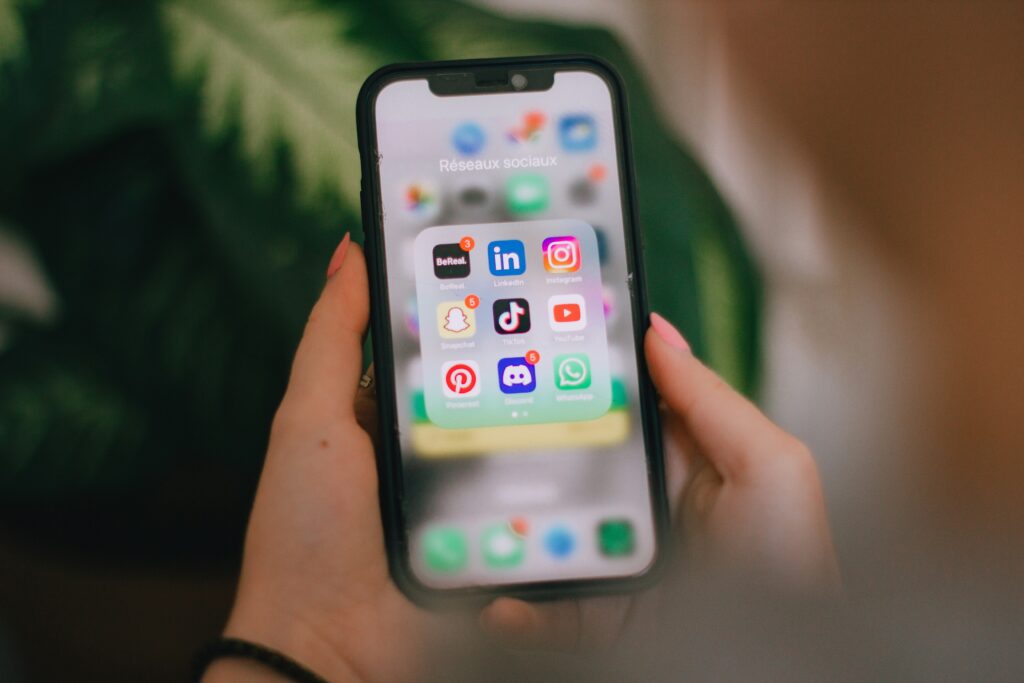
Published: July 2026 | Last updated: October 2026 No, recovery apps can’t replace in-person community, but they can extend it, and for a lot of people that combination beats either one alone. Apps win on access, tracking, and 3 a.m. cravings. In-person meetings win on accountability, human connection, and the thing that actually keeps people […]
Detox at Home vs. Medical Detox: Which Withdrawals Are Actually Dangerous to Quit Alone
Published: July 2026 | Last updated: October 2026 Detox at home is reasonably safe for mild dependence on some substances, but it’s genuinely dangerous – sometimes fatal – for alcohol, benzodiazepines, and heavy opioid use. The deciding factor isn’t willpower or privacy. It’s what you’re detoxing from and how severe your dependence is. Alcohol and […]
Forgiveness vs. Reconciliation: Why Healing Only Requires One of Them

Published: July 2026 | Last updated: October 2026 Forgiveness and reconciliation are not the same thing, and you only need one of them to heal. Forgiveness is internal, something you do for yourself to release resentment. Reconciliation is relational, rebuilding trust with the person who hurt you. You can forgive someone and never speak to […]
Emergency Situations in Recovery: What to Do When Crisis Hits

Published: June 2026 | Last updated: June 2026 A crisis in recovery is not a sign that recovery has failed. It’s a medical situation — sometimes a life-threatening one — that requires a clear-headed response, not a moral judgment. Whether it’s a relapse that escalates, a withdrawal complication, a mental health emergency, or a moment […]
The Kindling Effect: Why Each Relapse Gets Harder to Recover From

Published: June 2026 | Last updated: June 2026 Each time you go through alcohol withdrawal and relapse, the next withdrawal becomes more severe — not because you drank more, but because your brain has been permanently sensitized to the cycle. This is the kindling effect, and it’s one of the most clinically significant and least-discussed […]
Time Blindness in Recovery: Rebuilding Your Sense of Schedule and Planning

If you’ve been sober for a few weeks or months and still can’t seem to manage a schedule, hold a timeline in your head, or show up anywhere on time — that’s not a character flaw. It’s a neurological hangover. Substance use damages the prefrontal cortex, which is the brain region responsible for planning, time […]
Social Media Boundaries in Recovery: How to Curate Your Digital Environment

Your phone is part of your environment. Most people in recovery spend real energy managing physical spaces — avoiding bars, changing routines, keeping distance from people who still use — and then pick up their phone and walk straight into a feed full of drinking content, party photos, and comparison traps. Curating your digital environment […]
The Fawn Response: How People-Pleasing Keeps You Safe — and Keeps You Stuck

The fawn response is a trauma survival strategy that gets misread as kindness. It’s the part of you that agrees when you mean no, smooths things over when you’re actually furious, and feels a physical pull to make other people comfortable — even at your own expense. It’s not a personality trait. It’s a nervous […]
Imposter Syndrome in Recovery: Why You Feel Like a Fraud in Your Own Sobriety

You’re sober. Things are actually going okay. And yet some part of you is waiting to be found out — waiting for the moment everyone realizes this is a fluke, that you haven’t really changed, that you don’t deserve the progress you’ve made. That feeling has a name: imposter syndrome. In recovery, it’s one of […]
Toxic Positivity in Recovery: When ‘Good Vibes Only’ Becomes Harmful
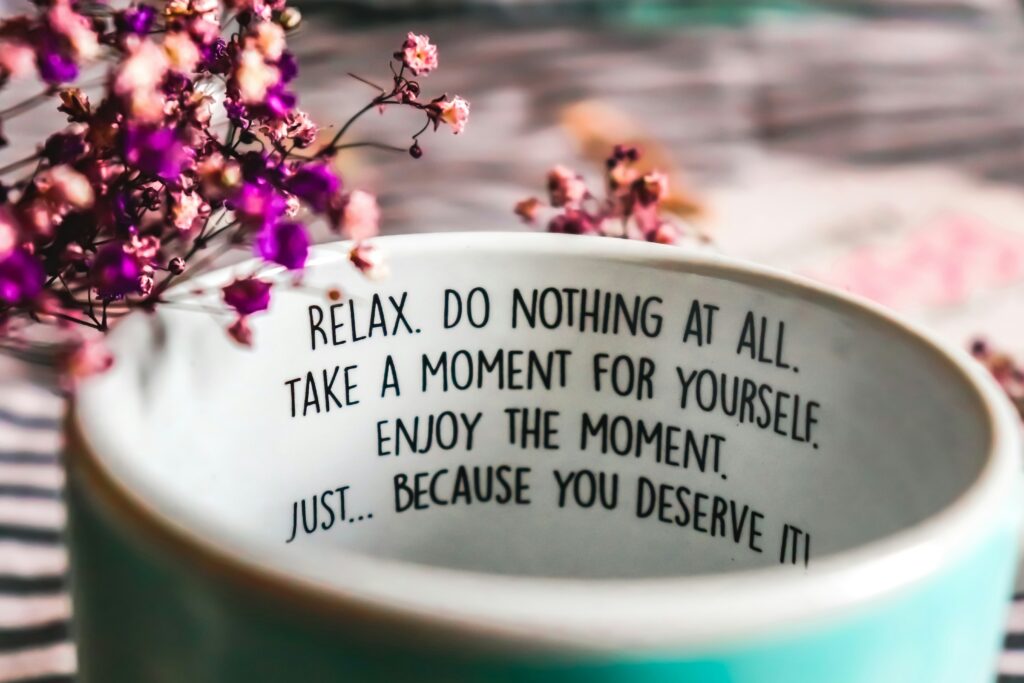
Positivity has its place in recovery. But when it becomes the only acceptable response to struggle, it stops helping and starts hurting. Toxic positivity dismisses real pain, silences honest conversation, and can actually slow down healing. Recovery isn’t about forcing a smile through hard days—it’s about working through them with honesty and support. What Is […]