

Published: July 2026 | Last updated: October 2026
No, recovery apps can’t replace in-person community, but they can extend it, and for a lot of people that combination beats either one alone. Apps win on access, tracking, and 3 a.m. cravings. In-person meetings win on accountability, human connection, and the thing that actually keeps people sober long term. The recovery apps vs. in-person meetings question isn’t either/or. It’s which does what.
I’ve written for behavioral health brands for eight years, and I watch people treat a sobriety tracker like a meeting attended. It isn’t.
Can a recovery app replace going to meetings?
No. An app can support your recovery, but it can’t replace the social accountability and belonging that in-person meetings provide, which is the mechanism research keeps pointing to as the active ingredient.
The evidence for community is strong. According to a 2020 Cochrane review, Alcoholics Anonymous and 12-step facilitation were at least as effective as other treatments for increasing abstinence, and often better, with the peer support structure doing much of the work. An app notification doesn’t replicate a room of people who notice when you don’t show up.
Elevate Recovery Homes · Denver Metro · CARR Certified
Recovery is harder without a safe place to come home to.
Treatment gives you tools. Sober living gives you the environment to actually use them. At Elevate, that means a structured, drug-free home with peer accountability, a house manager on-site, certified addiction specialists, and regular drug testing — not just a bed. We have eight homes across Denver metro, and same-day move-ins are common. Most residents stay 3–12 months. All are CARR-certified.
- Same Day Admits
- CARR certified
- Men's & Women's homes
- 8 Denver metro locations
What apps genuinely do well
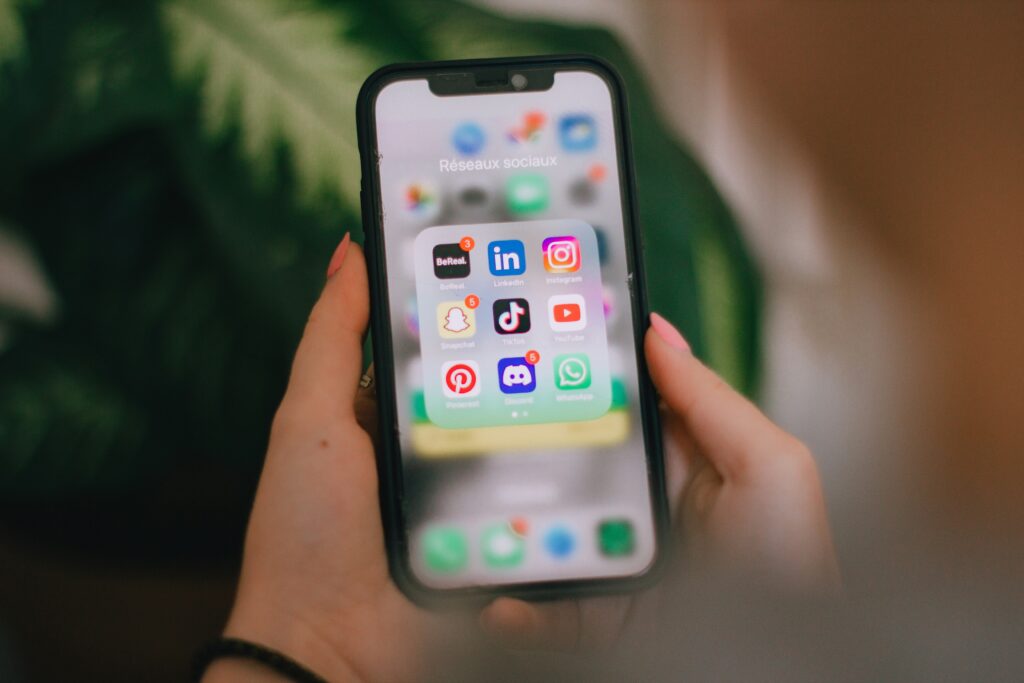
Apps are excellent at the things meetings can’t do around the clock. Sobriety trackers like I Am Sober or Sober Grid give you a running day count, milestone reminders, and a community feed at the exact moment a craving hits, which is often not during a scheduled meeting. That immediacy is real value.
I’ve seen apps save someone’s Tuesday night. What I haven’t seen is an app talk someone down the way a sponsor who’s been there does.
The honest read is that they solve different problems, which is exactly why comparing them head to head misses the point.
Recovery apps vs. in-person meetings: what does each actually do?
Apps deliver access, anonymity, and real-time tools. In-person meetings deliver accountability, depth of connection, and social bonds that predict long-term recovery. Neither covers the other’s territory well.
| Factor | Recovery Apps | In-Person Meetings |
|---|---|---|
| Access | 24/7, anywhere, immediate | Scheduled, location-dependent |
| Cost | Free to low-cost | Usually free (donations) |
| Anonymity | High, low barrier to start | Requires showing up in person |
| Accountability | Self-reported, easy to fake | Social, others notice absence |
| Connection depth | Limited, often text-based | Deep, in-person, embodied |
| Crisis support | Instant but impersonal | Delayed but human |
| Best role | Daily tool, between meetings | Core of long-term recovery |
Why access matters more than people admit
For rural users, people without transportation, or anyone whose social anxiety makes walking into a church basement feel impossible, apps lower a barrier that used to end recovery before it started. According to the National Institute on Drug Abuse, only a small fraction of people with substance use disorders receive treatment, and access is a major reason. A phone in your pocket removes some of that friction.
If you’ve ever skipped a meeting because it was 25 minutes away and you were exhausted, you already understand the appeal. The app is there. That convenience is also its weakness, which is the next thing to reckon with.
Do online recovery communities work as well as in-person ones?
They work, but generally not as well on their own for the outcomes that matter most. Online and app-based communities improve access and can boost engagement, yet the depth of connection that drives long-term sobriety is harder to build through a screen.
The engagement trap
Here’s what I’ve watched fail. Someone downloads three apps, racks up a 60-day streak, and feels like they’re doing the work. Then life gets hard, the streak resets, and there’s no one who actually knows them well enough to reach out. The app tracked their sobriety. It never built their support network.
Digital tools show promise but the research is still catching up. According to a study published in JMIR (Journal of Medical Internet Research), digital health interventions for substance use can improve engagement and outcomes, but effect sizes vary widely and retention is a persistent challenge. People download recovery apps far more often than they keep using them.
A short, honest observation
Frankly, the tech industry oversells this. “Recovery in your pocket” makes a great app store headline, but recovery isn’t a solo activity you optimize with streaks and badges. It’s fundamentally about being known by other people. An app can remind you that you matter. It can’t actually be the people who make you feel it.
Eight homes. One community. Somewhere close to where you need to be.
Elevate Recovery Homes operates across the Denver metro so you can stay connected to your job, your treatment provider, or your support network while still being held accountable inside a structured recovery home.
South Englewood
Westminster
Central Denver
Northglenn
North Denver
Centennial
North Englewood
Arvada
Sober living is considered supportive housing — insurance is not billed directly. Scholarships available for qualifying residents.
That’s the line between a tool and a community, and the smartest approach uses both on purpose.
How do you combine recovery apps and in-person meetings?
Use the app for the daily maintenance and the meetings for the human core. The strongest recovery plans treat technology as connective tissue between real-world community, not a substitute for it.
A setup that works
The pattern I see hold up: in-person meetings or group therapy as the foundation, a tracker app for daily accountability and craving support, and a messaging thread with actual humans from your meetings for the in-between hours. The tech serves the relationships, not the other way around.
Telehealth is the strongest version of this blend, because it’s still real people. According to the Substance Abuse and Mental Health Services Administration, telehealth expanded access to treatment significantly and is now a permanent part of the care landscape. A video group is not an app, and that distinction matters. One is a tool; the other is community delivered through a tool.
So the answer to “can technology replace community” is no, but “can technology carry community further than it used to reach” is a clear yes. And that’s the version worth building your plan around.
Frequently asked questions
Are recovery apps effective for staying sober?
They can be, as a supplement. Apps help with daily tracking, craving support, and access to community feeds at any hour, which improves engagement for many people. On their own, though, they don’t replace the accountability and connection of in-person or live-group support, which research links most strongly to long-term recovery.
What is the best free sobriety app?
I Am Sober and Sober Grid are two of the most widely used free options, offering day counters, milestone tracking, and peer community features. The best app is the one you’ll actually keep using, and it works best alongside real-world support rather than instead of it.
Can you do AA or recovery meetings online?
Yes. Many AA, NA, and SMART Recovery meetings run over Zoom or dedicated platforms, and telehealth-based treatment is now widely available. Online meetings preserve the live human element that apps lack, which makes them a stronger substitute for in-person meetings than a tracking app is.
Is online recovery as good as in-person?
For access and convenience, often better. For depth of connection and long-term accountability, in-person still has an edge for most people. The research suggests blended approaches, live meetings plus digital tools, tend to outperform either one alone.
Denver Sober Living · Walk-ins Welcomed
Structure isn't a restriction. It's what keeps early recovery from falling apart.
If you’re reading this in early recovery — or watching someone you love try to piece things back together — Elevate Recovery Homes exists for exactly this stage. Here’s what residents get from day one:
- Drug-free environment with random testing and curfews
- On-site house managers
- Peer recovery coaches and licensed therapists on staff
- Clinical care coordination with True North Recovery Services
- Scholarships available for residents who qualify
How Elevate Recovery Homes can Help Aid Your Recovery
At Elevate Recovery Homes, we build recovery around the thing technology can’t replace: people living it alongside you. Our structured sober living for men pairs real, in-person community with the daily accountability that keeps recovery on track, and we’re comfortable with residents using apps and telehealth as tools on top of that foundation. The community is the plan; the tech just supports it.