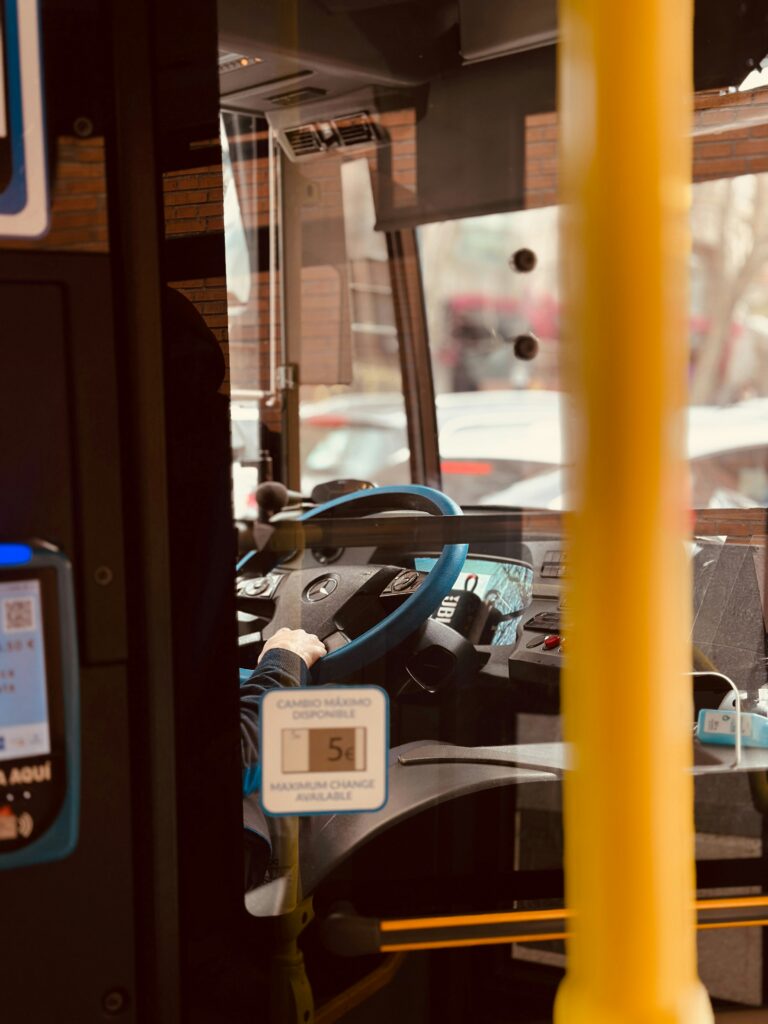
Not having a car in Denver doesn’t mean you can’t stay sober. Whether you lost your license to a DUI, can’t afford a vehicle, or simply don’t drive, Denver’s public transit can get you where you need to go. The key is learning the system and planning ahead. Here’s how to navigate Denver Metro sober and maintain your recovery without wheels.
Why Transportation Matters in Recovery
Missing meetings because you don’t have a ride is a relapse risk. Skipping therapy appointments because the bus schedule doesn’t work threatens your progress. Isolation because you can’t get anywhere feeds depression and cravings.
Transportation directly affects:
- Meeting attendance
- Employment access
- Therapy and medical appointments
- Social connections
- Independence and self-esteem
- Overall recovery stability
You can’t let lack of transportation become an excuse for not working your recovery.
Understanding RTD (Regional Transportation District)
RTD runs Denver’s public transit system. It covers Denver and surrounding areas with buses and light rail.
RTD includes:
- Over 170 bus routes
- 10 light rail lines
- Regional buses to Boulder, Longmont, and beyond
- Service to Denver International Airport
- Park-n-Rides throughout metro area
Most routes run from early morning until midnight or later. Some routes operate 24 hours.
Getting Started With RTD
MyRide Pass and Payment Options
You need a way to pay for rides.
MyRide card: Reloadable transit card you can buy at King Soopers, 7-Eleven, or RTD stations. Load it with cash or credit. Tap when you board.
RTD Mobile App: Download the app, buy passes directly on your phone, activate before boarding.
Cash: You can pay cash on buses (exact change only—drivers don’t carry change). Not accepted on light rail—use ticket machines at stations.
Day passes: $6 for local service, $10.50 for regional (includes airport). Unlimited rides for one day.
Monthly passes: $114 for local, $200 for regional. Best value if you ride frequently.
Discount passes: Available for seniors (65+), disabled individuals, Medicare recipients, and youth. Check eligibility at rtd-denver.com.
Planning Your Route
Google Maps: Easiest way to plan trips. Enter destination, select transit option, see exact routes and times.
RTD Mobile App: Shows real-time arrivals, service alerts, trip planning.
RTD website: rtd-denver.com has full system maps and schedules.
Call RTD: 303-299-6000 for route help and information.
Pro tip: Always plan route before you need to leave. Know your backup options if you miss a bus.
Key Routes for Recovery
Getting to Meetings
AA and NA meetings happen all over Denver. Many meeting locations are on or near major transit routes.
High-frequency routes serving many meeting locations:
- Route 15: East Colfax (runs every 15 minutes most of day)
- Route 0: 16th Street Mall (free shuttle, runs every few minutes)
- Light Rail: All lines connect to downtown where many meetings occur
Finding meetings near transit:
- Use Denver AA website to search meetings
- Filter by location near RTD stations
- Ask at meetings about transit-accessible locations
- Connect with others who use transit—share route info
Getting to Treatment Centers
Most outpatient treatment centers are located on or near major bus lines.
Common treatment center locations:
- Capitol Hill (multiple routes)
- Cherry Creek (Routes 10, 83, light rail)
- Downtown Denver (extensive service)
- Federal Boulevard corridor (Route 31)
When choosing treatment providers, consider transit access. If they’re hard to reach by bus, you’re less likely to attend consistently.
Getting to Work
Employment is crucial in recovery. Make sure you can reliably get to work.
Plan for:
- How long commute takes (add buffer time)
- What happens if you miss your bus
- Backup routes if primary route is delayed
- Weather delays (especially snow)
- Whether you need to transfer
If possible, look for jobs near major transit routes or within walking distance of light rail stations.
Getting to Sober Living
If you’re in sober living, knowing transit access is crucial.
Consider transit when choosing sober living:
- How far to nearest bus stop or light rail station
- Frequency of service
- Weekend and evening service availability
- Access to essentials (grocery stores, meetings, work)
Common RTD Routes Useful for Recovery
Bus Routes
Route 15 (East Colfax): Runs from downtown to Aurora. Connects to multiple recovery resources, meetings, and services.
Route 6 (Martin Luther King Blvd): Serves Five Points, Park Hill, northeast Denver. Access to multiple treatment facilities.
Route 10 (Colfax/Capitol Hill): Downtown to East Colfax through Capitol Hill – dense with recovery meetings.
Route 31 (Federal Blvd): North to south through West Denver, multiple treatment centers and meeting locations.
Route FF1 (Flatiron Flyer): Denver to Boulder express – useful if treatment or support is in Boulder.
Light Rail Lines
A Line: Downtown to Airport – useful for work at DIA or meeting travelers in recovery.
C, D, E Lines: Serve suburbs south and southeast – many sober living homes in these areas.
W Line: Downtown to Lakewood/Golden – connects to suburban recovery resources.
R Line: Aurora to downtown – serves eastern suburbs with growing recovery infrastructure.
Questions People Ask
How much does RTD cost per month?
A local monthly pass costs $114. Regional pass (includes airport and distant suburbs) is $200. Day passes are $6 local, $10.50 regional. If you ride twice daily for work plus other trips, monthly passes save money.
Is RTD safe for people in recovery?
Generally yes, but stay alert. Some routes and times attract more drug activity. Avoid engaging with people using on transit. Move to different area of bus if needed. Morning and daytime service is typically safer than late night.
Can I get to all areas of Denver on RTD?
Most of Denver metro is covered, but some suburban areas have limited service. Routes are less frequent in evenings and on weekends. Some areas require long walks from bus stops.
What if I miss the last bus?
Plan ahead to avoid this. If it happens, options include: Uber/Lyft (expensive but sometimes necessary), calling someone from your support network for ride, or in emergencies, calling your sober living staff or sponsor. Don’t let transportation issues lead to unsafe situations.
Dealing With Transit Challenges
Bad Weather
Colorado weather disrupts transit regularly.
Winter challenges:
- Snow delays buses and trains
- Stops may not be shoveled
- Dress warmly for waiting outside
- Check service alerts before leaving
- Allow extra time
Summer challenges:
- Heat makes waiting uncomfortable
- Afternoon thunderstorms cause delays
- Bring water
- Have sun protection
Safety Concerns
Public transit exposes you to all kinds of people, including active users.
Stay safe by:
- Sitting near front of bus (near driver)
- Staying alert and aware
- Not engaging with people who are high
- Moving if someone makes you uncomfortable
- Calling RTD Transit Police if needed (303-299-2911)
- Traveling during daylight when possible
- Keeping phone charged
Time Management
Transit takes longer than driving.
Manage time by:
- Planning trips the day before
- Leaving extra early for important appointments
- Having backup plans
- Checking real-time arrivals before leaving
- Building buffer time into schedule
Transfers
Many trips require transfers between buses or from bus to light rail.
Transfer tips:
- Understand transfer timeframes (usually 3 hours on the same fare)
- Know where you’re transferring before starting the trip
- Check both schedules to ensure connections work
- Have a backup route if you miss a connection
- Ask drivers if unsure about transfers
Alternatives and Supplements to RTD
Walking and Biking
Combine transit with walking or biking to expand your range.
Denver has:
- Bike lanes on many streets
- B-Cycle bike share (by subscription or per-ride)
- Scooter shares (Lime, Bird, etc.)
- Pedestrian-friendly areas downtown
Benefits:
- Exercise supports recovery
- More flexible than bus schedules
- Sometimes faster for short distances
- Free (walking) or low-cost (biking)
Rideshare as Backup
Uber and Lyft fill gaps when transit doesn’t work.
Use rideshare for:
- Late at night when buses stop running
- Emergencies or critical appointments
- Areas poorly served by transit
- When carrying heavy items
- The weather makes transit impractical
Budget carefully—rideshare costs add up fast.
Recovery Community Rides
One of the best resources is your recovery community.
Build transportation support by:
- Asking for rides to meetings (offer gas money)
- Carpooling with others in recovery
- Trading rides—you help them when you can, they help you
- Being reliable when you do have transportation
- Joining recovery groups that coordinate rides
Making Transit Work Long-Term
Develop a Routine
Know your regular routes by heart.
Regular schedule might include:
- Morning: Route 15 to work (6:45am bus)
- Evening: Route 15 home, transfer to Route 6 for Tuesday meeting
- Saturday: Light rail to downtown for 10am meeting
- Sunday: Route 10 to Capitol Hill for evening meeting
Routine reduces stress and mistakes.
Stay Informed
Check regularly:
- Service alerts (delays, detours, construction)
- Schedule changes (happen quarterly)
- New routes or service expansions
- Holiday schedules (reduced service)
RTD app sends notifications about service affecting your saved routes.
Build Extra Time Into Everything
Transit is unpredictable. Always leave earlier than you think necessary.
Buffer time prevents:
- Missing important appointments
- Showing up late to work
- Stress that threatens sobriety
- Making excuses for not following through
If you arrive early, that’s better than arriving late or not at all.
The Bigger Picture
Not having a car doesn’t define you. Plenty of people in recovery use transit successfully.
What matters is:
- Staying connected to recovery support
- Making it to work consistently
- Attending required appointments
- Not letting transportation be excuse
You’re learning responsibility, planning, and follow-through—all recovery skills.
Building Your Life With Support
Navigating Denver without a car requires extra planning and commitment, but it’s absolutely manageable with the right support and structure.
At Elevate Recovery Homes, we provide sober living for men in Colorado with locations chosen specifically for transit accessibility. We understand that many residents don’t have cars or licenses, so we prioritize homes near major bus routes and light rail stations.
Our staff helps residents learn the RTD system, plan routes to work and meetings, and develop the time-management skills necessary for successful transit use. We provide transportation support for house activities and help residents coordinate rides within the community.
Many of our residents successfully navigate Denver using RTD while maintaining employment, attending meetings, and building strong recovery. Living with others who also use transit creates natural carpool opportunities and shared knowledge about the best routes.
Our Colorado locations in Arvada, Denver, Centennial, Englewood, Westminster, and Northglenn offer varying levels of transit access, and we work with each resident to ensure they can meet their recovery and life obligations regardless of transportation limitations.
Moving Forward
You can stay sober without a car. Thousands of people in Denver do it every day.
Download the RTD app. Learn your routes. Build extra time into your schedule. And remember that using public transit doesn’t make you less than anyone else—it makes you resourceful.
Your recovery matters more than how you get to meetings. What matters is that you get there.
The bus will get you where you need to go. You just have to show up and use it.