

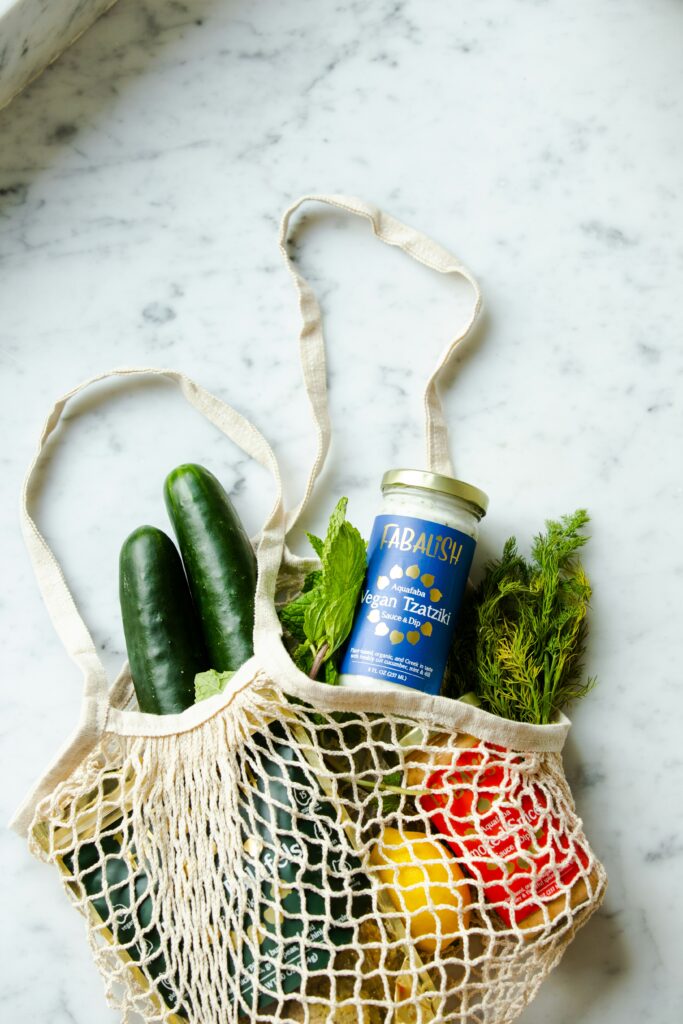
Money gets tight in early recovery. Maybe you’re not working yet, or you’re in an entry-level job while you rebuild. Medical bills from treatment, sober living costs, therapy sessions—it all adds up. But you still need to eat, and eating well matters for your recovery. Good news: healthy eating doesn’t require a huge budget. You just need a plan.
Why Nutrition Matters in Recovery
Your body is healing from years of substance abuse. Drugs and alcohol deplete nutrients, damage organs, and mess with your metabolism. Eating well helps repair that damage, stabilizes your mood, improves sleep, and gives you energy to do the hard work of recovery.
Skipping meals or living on junk food because it’s cheap will backfire. You’ll feel worse physically and mentally, which makes staying sober harder.
How Much Should You Budget for Groceries?
The USDA estimates a low-cost food plan runs about $60-70 per person per week. That’s roughly $240-280 per month for one person. This is doable with smart shopping.
If you’re in sober living, you might be cooking for yourself or sharing costs with roommates. Either way, these strategies work.
Before You Shop: Planning Saves Money
Take Inventory First
Check what you already have. Dig through the pantry, fridge, and freezer. You might find half-used bags of rice, cans of beans, frozen vegetables. Build meals around what’s already there.
Make a Meal Plan
Plan your meals for the week based on what’s on sale and what you already own. Keep it simple:
- Breakfast: Oatmeal, eggs, toast
- Lunch: Sandwiches, leftovers, salads
- Dinner: Rotate between 4-5 easy recipes
Use the same ingredients across multiple meals. If you buy chicken, use it for three different dinners. Less waste, lower cost.
Write a Shopping List and Stick to It
Only buy what’s on your list. Every impulse purchase adds up. Going to the store four times a week means four chances to buy stuff you don’t need. Shop once or twice a week, maximum.
Never Shop Hungry
Seriously. Eat something before you go. When you’re hungry, everything looks good and you’ll overspend on snacks and convenience items.
Smart Shopping Strategies
Buy Store Brands
Generic brands are usually the same quality as name brands but cost 20-30% less. The pasta is pasta. The canned tomatoes are just canned tomatoes. Try the store brand first. If you hate it, switch back.
Shop the Perimeter (Mostly)
Fresh produce, meat, dairy, and bread are usually around the store’s outer edges. The middle aisles have processed foods that cost more and offer less nutrition.
But don’t skip the middle entirely. Dried beans, rice, oats, peanut butter, and canned goods are budget-friendly staples found in those aisles.
Buy Frozen and Canned Produce
Frozen vegetables are just as nutritious as fresh, sometimes more so because they’re frozen at peak ripeness. They last longer and you won’t throw away spoiled produce.
Best frozen buys:
- Mixed vegetables
- Broccoli
- Spinach
- Berries (for smoothies)
Canned goods work too. Just check labels for low sodium options.
Buy Whole Foods, Not Pre-Prepared
Pre-cut vegetables, pre-marinated meat, and ready-made meals cost way more. You’re paying for convenience. A whole chicken costs less per pound than chicken breasts. A head of lettuce costs less than a bag of salad mix.
Learn basic food prep. It takes an extra 10 minutes but saves real money.
Look for Markdown Sections
Most stores have a section with discounted items nearing their sell-by date. Meat, bread, and produce that needs to be used soon gets marked down 30-50%. Buy it and use it that day or freeze it.
Compare Unit Prices
Don’t just look at the total price. Check the unit price (price per ounce or pound) on the shelf tag. Sometimes the bigger package is cheaper per unit, sometimes it’s not. Do the math.
Skip Beverages (Except Water)
Soda, juice, sports drinks, and bottled water are expensive and unnecessary. Drink tap water. If you don’t like the taste, get a filter pitcher. It costs $20-30 and lasts months.
Coffee drinkers: make it at home. A $5 daily coffee run costs $150/month. A bag of coffee costs $10 and makes 40+ cups.
Best Budget-Friendly Foods
Proteins
- Eggs: Cheap, versatile, packed with protein ($3-4/dozen)
- Canned tuna or salmon: Quick protein source ($1-2/can)
- Dried beans and lentils: Incredibly cheap, high protein ($1-2/pound)
- Peanut butter: Good protein, fills you up ($3-5/jar)
- Whole chicken: Cheaper than parts, use bones for broth ($1-2/pound)
Carbohydrates
- Rice (brown or white): Staple food, lasts forever ($2-3 for 5 pounds)
- Pasta (whole grain): Fill you up, versatile ($1-2/box)
- Oats: Breakfast winner, also cheap ($3-4 for a big container)
- Potatoes: Filling, nutritious, versatile ($3-5 for 5-pound bag)
- Bread (whole grain): Look for sales, freeze extra loaves
Vegetables
- Carrots: Cheap, last long, eat raw or cooked ($1-2/pound)
- Cabbage: Lasts forever, makes lots of servings ($1-2/head)
- Onions: Flavor base for everything ($1-2/pound)
- Frozen mixed vegetables: Convenient, nutritious ($1-2/bag)
- Canned tomatoes: Cooking staple ($1/can)
Fruits
- Bananas: Cheapest fresh fruit ($0.50-0.70/pound)
- Apples: In season, very affordable ($1-2/pound)
- Frozen berries: For smoothies, oatmeal ($3-4/bag)
- Seasonal fruit: Whatever’s on sale that week
Meal Ideas Under $3 Per Serving
Breakfast:
- Oatmeal with peanut butter and banana
- Scrambled eggs with toast
- Smoothie with frozen fruit and oats
Lunch:
- Peanut butter sandwich with apple slices
- Bean and cheese burrito
- Tuna salad with crackers
- Leftover dinner
Dinner:
- Rice and beans with vegetables
- Pasta with marinara sauce and frozen vegetables
- Chicken thighs with roasted potatoes and carrots
- Egg fried rice with mixed vegetables
- Lentil soup with bread
Cooking in Bulk Saves Time and Money
Make big batches on Sunday. Portion them out. Eat all week. This works especially well for:
- Chili (beans, tomatoes, ground meat or vegetarian)
- Soup (any kind—lentil, chicken, vegetable)
- Casseroles (pasta-based, rice-based)
- Stir-fries (rice + protein + frozen veggies)
Label containers with dates. Most cooked food lasts 3-4 days in the fridge, months in the freezer.
Common Questions About Budget Grocery Shopping
Should I buy organic?
Not if it strains your budget. Eating conventional produce is better than eating no produce. If you want to go organic on certain items, focus on the “Dirty Dozen” (strawberries, spinach, apples) and buy conventional for everything else.
Are discount grocery stores worth it?
Yes. Aldi, Grocery Outlet, Save-A-Lot, and similar stores offer significantly lower prices. The selection might be smaller, but the savings are real.
Can I eat healthy on food stamps?
Absolutely. SNAP benefits (food stamps) work at most grocery stores. Use all the strategies above. Some farmers markets also accept SNAP and offer matching programs that double your produce money.
What if I don’t know how to cook?
Start with simple recipes that use 5 ingredients or less. YouTube has thousands of beginner cooking videos. You don’t need to be a chef. Learn to make rice, boil pasta, roast vegetables, and cook eggs. Build from there.
Avoiding Food Waste
Food waste is wasted money. Americans throw away about 30% of food they buy. That’s throwing away $60-80 per month for the average person.
Tips to reduce waste:
- Use leftovers for lunch
- Freeze meat and bread before they go bad
- Buy only what you’ll actually eat
- Learn to use vegetable scraps (make broth from chicken bones and veggie scraps)
- Check your fridge before shopping
Special Considerations in Recovery
Managing Cravings
Sometimes what feels like a food craving is actually a trigger or emotional discomfort. Notice when you reach for junk food. Are you actually hungry or are you stressed, bored, or triggered?
Having healthy snacks ready helps. Keep fruits, nuts, yogurt, or cut vegetables available for when hunger hits.
Eating Regular Meals
Skipping meals tanks your blood sugar and makes you feel terrible. That irritability and brain fog make everything harder, including staying sober.
Eat three meals a day minimum. Your body needs consistent fuel.
Avoiding Sugar Binges
Many people in early recovery crave sugar because their brain is adjusting to life without substances. A little sugar is fine. But living on candy and soda will create blood sugar spikes and crashes that mess with your mood.
Choose whole fruits over juice and candy when possible.
Food Resources If You’re Really Struggling
Food banks and pantries: No shame in using them. That’s what they’re for. Most don’t require documentation beyond proof of address.
SNAP benefits: If you qualify, apply. It’s temporary assistance while you rebuild.
Community meals: Many churches and community centers offer free meals, no questions asked.
Recovery-specific resources: Some treatment centers and recovery communities have food pantries specifically for people in recovery.
The Connection Between Food and Sobriety
Eating well isn’t a luxury. It’s part of taking care of yourself, which is essential to recovery. When your body feels good, your mind works better. You sleep better, manage stress better, and have more energy to work your program.
Grocery shopping on a budget requires planning and patience. But it’s doable. Thousands of people in recovery feed themselves healthy food on very little money. You can too.
How Elevate Recovery Homes Supports Your Recovery
At Elevate Recovery Homes, we know that early recovery comes with financial challenges. That’s why our sober living program for men focuses on building life skills, including budgeting, meal planning, and healthy living on limited resources.
Our residents learn to grocery shop, cook nutritious meals, and manage money while living in a supportive community. We provide structure without removing your independence, teaching you the practical skills you need to maintain long-term sobriety.
Many of our residents are working entry-level jobs or part-time while they rebuild their lives. We understand tight budgets. Our staff helps residents connect with community resources, including food assistance programs, employment services, and financial planning support.
Recovery isn’t just about not using. It’s about learning to live well. That includes feeding yourself properly, managing money, and creating healthy routines. We’re here to support that journey every step of the way.